
The High Cost of Damaged Products
Damaged or defective products reduce customer lifetime value and impact a business’s bottom line by millions of dollars. Discover the high cost of damaged products and learn how returns data can identify issues and inform targeted solutions.
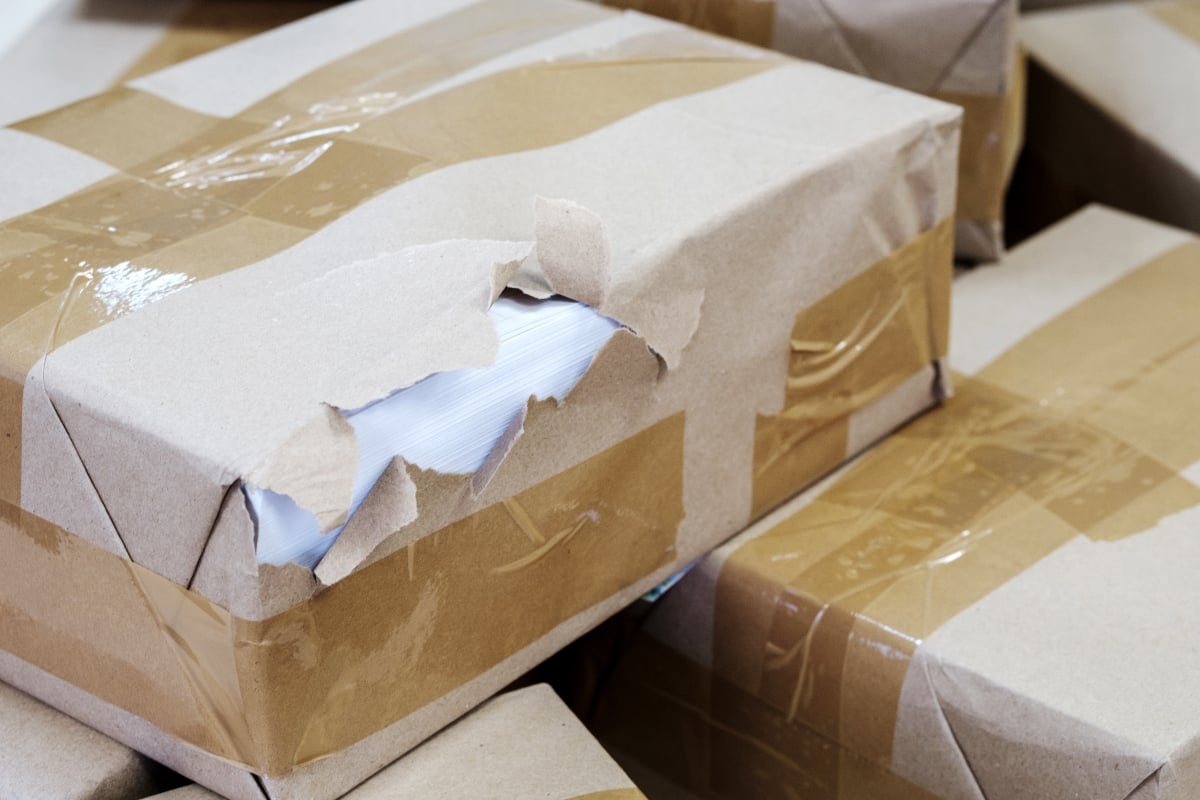
In an ideal world, a product moves swiftly through manufacturing, packaging, and shipping so it can be put into the hands of happy customers. Unfortunately, even when every detail is carefully monitored, consumers can still end up with damaged or defective products. This can cause a poor consumer experience that damages customer loyalty, diminishes customer lifetime value, and negatively impacts a brand’s reputation. In the end, the cost can far outweigh that of the initial damaged product.
Even when a customer returns an undamaged product, the cost can be steep. The Atlantic put it this way, “Add up the labor to pick, pack, and dispatch the item; the freight both coming and going; the labor to receive and sort the now-returned item; the cardboard and plastic for packaging; and the sorting facility’s overhead, and the seller has already lost money.” For damaged or defective items, the costs can be even greater.
Obviously, it’s always the goal to avoid negative consumer experiences. However, businesses that promptly respond to damage claims can build customer loyalty and more easily protect their bottom line.
The Cost of Damaged and Defective Products Adds Up Quickly
From initial product development all the way to shipping, there are many ways that a product can be damaged. Sometimes a design flaw will result in a defect, storage humidity can impact textile quality, or packaging may not offer adequate protection during shipping. Whatever the case, damages can and do happen…and some scenarios are incredibly costly.
Imagine that a product was accidentally damaged during shipping. The consumer will contact customer service, they might be required to return the damaged product, and then a replacement will be shipped to them. Assuming this is a random occurrence not likely to happen again, the costs are relatively simple to determine. However, if this shipping method regularly results in damaged products, it may be necessary to find an alternative shipping carrier. It’s also possible that the packaging is at fault, and new packaging materials need to be sourced.
Now, let’s take it a step further. Imagine that customer service is receiving a significant number of damage claims regarding one particular SKU. Perhaps it’s a shoe with an unstable heel or a piece of clothing with frayed material or a broken zipper. Simply replacing the product may not be enough since multiple damage claims have been filed. Whether the product needs a complete redesign or new materials, that means more research, prototyping, and then potentially even new marketing for a relaunch.
Plus, it’s important to consider what happens when damaged or defective products are returned.
The Sustainability Impact of Returned Damaged Products
On top of the additional shipping supplies and freight that increase overall carbon footprint, the actual damaged items create a sustainability issue. Fast Company even states, “Every year, U.S. companies spend an estimated $50 billion on product returns. At the same time, those returned goods are responsible for massive landfill waste and 27 million tons of carbon dioxide emissions annually.”
While some damaged or defective products may be donated, fixed, or repurposed, many products aren’t designed to be disassembled. That makes it nearly impossible to repurpose them. Additionally, many organizations won’t accept donations of damaged goods, and some industries lack adequate recycling procedures. Ultimately, damaged products are often discarded or destroyed.
Even without taking damage into consideration, product destruction is a relatively common practice in the fashion industry. Vogue Business says, “In truth, all brands have unsellable products to deal with, whether it’s unsold inventory, damaged goods or customer returns — and the industry has not yet created enough solutions for dealing with them effectively.”
The factors that lead to product destruction are complex though. One of the simplest reasons some businesses destroy products is to avoid the cost of storing unsellable products. For damaged items that cannot be resold, recycled, or repurposed, warehouse costs will rarely be recouped. However, it’s also a matter of brand reputation. Whether a product is damaged, recalled, outdated, or simply end-of-life, getting these products out of circulation is essential to avoid reputation damage.
Impact of Damaged Products on Customer Lifetime Value and Reputation
In the long run, the most expensive aspect of damaged products is the negative impact on customer lifetime value. One study found “An overwhelming 73% of participants indicated that they would be unlikely to purchase from the company again after receiving a damaged item.”
While loyal customers may be more willing to repurchase after receiving one damaged item, customers who receive damaged products in their first purchase are much less likely to do so. What can be even more damaging is if the customer experience is so poor that they leave a negative review or post about it on social media.
In the end, not only can a damaged product reduce the lifetime value of one customer, but it can also make customer acquisition that much harder. However, it’s important to understand that all interactions, even those involving a damaged or defective product, can be opportunities for building trust.
When a brand promptly responds to a negative experience, this communicates to customers that their concerns matter and that they can trust a brand to resolve issues. In the end, scenarios like these are a way for brands to nurture customer relationships, improve loyalty, and resolve product issues that could otherwise lead to millions of dollars in cost.
The key to resolving these issues is to identify the source of the damage so the correct solution can be implemented.
Returns Data Can Pinpoint Damage Details and Inform Solutions
For larger retailers, damages can impact their bottom line by millions of dollars, so determining the cause of damage is necessary. That’s why returns data is so vital.
In-depth return analytics helps businesses determine whether damage is the result of textile sourcing, manufacturing, design, etc. When this data is expertly leveraged, damaged products and damage return rates are reduced, customer lifetime value increases, operating costs can be saved, and so much more.